
"Starbucks Korea"
300 article(s) found

Why did Korean cafes suffer a complete rout when they entered China?
Following Kaiping (Wechat official account vdailycom) found that Beautiful Cafe opened a small shop of its own. When a typical relevant investor is eager to enter the Chinese market, what factors will mess things up? A large-scale cafe expansion is in the pipeline. Seesaw announced last month that it has won 45 million RMB A round investment from Baifu Holdings of Hony Capital, another Shanghai master.

Starbucks environmental protection plan will be upgraded again! Starbucks tries out reusable cups!
Following the implementation of paper straws, in order to further reduce the overuse of plastic products, Starbucks has once again upgraded its environmental protection program: start experimenting with reusable cups. In response to the environmental theme, Starbucks is experimenting with reusable cups at five stores in Seattle for two months, according to foreign media reports. The project is currently only being tested in Seattle. The so-called

Korean Coffee Brand Korean Coffee Culture Guangzhou Coffee Learning Italian Coffee with beans
The sharp increase in coffee consumption in South Korea is closely related to the increase in coffee shops. According to the survey, there were only more than 8000 coffee shops in South Korea in 2010, but now the number has increased to 20, 000. Although there are most large coffee shops like Starbucks, there are also many small coffee shops with unique decorations scattered in various alleys in South Korea. The increase in coffee shops marks a gradual rise in the status of coffee in Korean culture.
An inventory of the Development of International Cafe chains in China Coffee Culture in Starbucks Coffee Market
From Best Buy to B & Q, many foreign retail brands have encountered a Waterloo in China, and successful business models in the domestic market cannot be replicated in China. But the international coffee chain is an exception, and although it seems least likely to gain a foothold in China compared with other retail sectors in Western countries, it has been a great success. The Financial Times made an in-depth report on this phenomenon. Although there are thousands in China

Starbucks may make money by selling cups after a limited number of paper cups were leaked this Christmas season.
Professional baristas follow the coffee shop (official Wechat account cafe_style) recently, an undedicated Starbucks employee leaked this year's Starbucks limited edition paper cups on Reddit in advance. Unlike traditional Christmas reds in the past, Starbucks abandoned the bright red background and chose to print simple strokes on a clean white background to make this season's

Korean cafes have failed in all aspects of China. What lessons can you learn from Chinese cafes?
Following Kaiping (official Wechat account vdailycom) found that Beautiful Cafe opened a small shop of its own and a large-scale expansion of the cafe was in the pipeline. Seesaw announced last month that it had received 45 million RMB A round investment from Baifu Holdings, which is owned by Hony Capital. The founder of another Shanghai boutique coffee brand, Yingji Coffee, said in a recent interview that it was preparing 30 million yuan.

Foreign media commented on the rapid growth of this coffee shop chain in China.
From Best Buy to BQ, many foreign brands and business models have met their Waterloo in China. However, the Western retail concept of foreign coffee shops, which was perhaps the least likely to succeed, has flourished in China. Despite thousands of years of tea drinking in China, coffee chains from the United States, Britain and South Korea have been able to expand rapidly in China. This coffee.

Behind the rapid expansion of coffee with you and diffuse coffee: coffee is just a prop.
Communicating with Zhuang Jingyang, founder of Dajia Tea, he revealed that the real reason behind the success of many cafes and teahouses is not selling tea and coffee, but selling space. This is why Korean coffee shop brands have been invincible recently. The most popular cafe brand in China's first-and second-tier cities in the past two years is neither Starbucks nor COSTA, but a variety of Feel brands.

Let's walk into the Seoul Cafe to experience the unique Korean coffee culture.
Coffee became popular during the Korean Peninsula War in the 1950s. During the war, the intervention of the US military made coffee on the Korean peninsula a hot item on the black market, and a large amount of coffee flowed from US military bases to the illegal market.
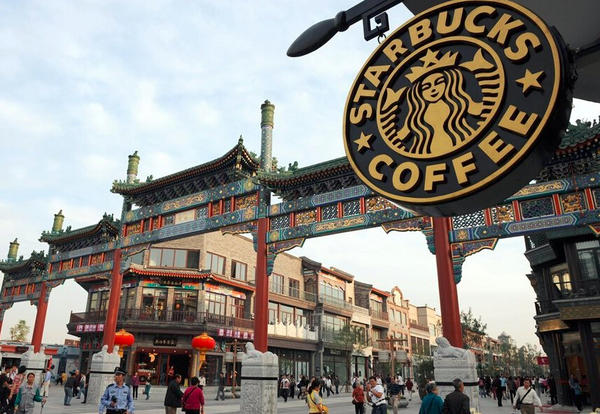
An inventory of the Development of International Cafe chains in China
From Best Buy to B & Q, many foreign retail brands have encountered a Waterloo in China, and successful business models in the domestic market cannot be replicated in China. But the international coffee chain is an exception, and although it seems least likely to gain a foothold in China compared with other retail sectors in Western countries, it has been a great success. The Financial Times made an in-depth report on this phenomenon. Although there are thousands in China

Korean coffee chains pay more and more attention to cultural marketing
More and more Korean beverage companies focus on corporate culture marketing. In order to enhance brand awareness and customer loyalty, Korean coffee companies have held concerts to enhance consumers' brand loyalty.

The top ten coffee brands in Korea recommend the introduction of better coffee brands in South Korea.
Professional coffee knowledge exchange more coffee bean information Please follow the coffee workshop (Wechat official account cafe_style) if you are tired of sightseeing or shopping in Korea and want to find a place to rest, the following Korean coffee brand stores will be a good choice. The Coffee Bean Tea Leaf (since1963) used to be an American brand, similar to Starbucks, with a high market share in South Korea.

South Korea joins the coffee shop with the shortest life! On average, it closes down for more than two years!
Professional coffee knowledge exchange more coffee bean information Please follow the coffee workshop (Wechat official account cafe_style) which chain industry has the shortest life to open a store? In South Korea, the answer is a coffee shop, with an average lifespan of only 27 months, or less than two and a half years. According to data released by the South Korean government on the 24th, the average survival time for South Korean chain owners to open stores is 52 months (four years and four months).

An article to understand China's "coffee" ecology: competition among China, South Korea and the United States
With the entry of Starbucks and other international brands, the Chinese coffee market is showing a lively scene, at the same time, the Chinese coffee consumer group is also growing. In recent years, with their accurate market positioning and unique business model, some emerging coffee brands have gradually broken the monopoly position of established enterprises such as Starbucks and Shangdao Coffee in the market, thus driving the whole coffee.
Korean Coffee Brands make efforts to distribute the Chinese Market
Specialty stores in China are expected to break through a thousand this year and the domestic coffee market is setting off a Korean wave towards the end of the year. As South Korea's local coffee market is close to saturation, Korean coffee brands have begun to turn to the fast-growing Chinese market. According to statistics, the number of Korean brand cafes in China is expected to exceed 1000 this year. The large-scale expansion of Korean brands has also made the traditional coffee giants Starbucks and COSTA big.

Is there any secret for Koreans to open cafes so successfully?
What are the most popular cafes in China's first-and second-tier cities in the past two years? The answer is not Starbucks or COSTA, but all kinds of cafes with Feel: coffee with you, coffee from the zoo, coffee from Hollis, coffee from the road, and so on. These cafes have one thing in common: they are all founded by Koreans! Coffee? Come on, it's just a little prop!

Is this thoroughly parody of Starbucks washing and care brand not afraid of getting into trouble?
One of the most popular body care brands in South Korea this summer is STARBATH, a start-up famous for spoofing Starbucks, with products ranging from body lotions to scrub creams and hand creams. Whether it's the brand name, the fragrance from LOGO to body wash, and even the style of ordering and ticking on the package, it's the same. The brand quickly became popular on Instagram because

What is the demand for coffee in China?
With the globalization of economy and trade, China has introduced a lot of foreign brands, including successful examples and failure cases, and the most important thing often does not depend on the business model of foreign brands, but on the understanding of Chinese market consumers. When it comes to the most successful case, Western retail concept foreign coffee shops are booming in China. According to a report on the Financial Times website on December 29,

HelloKitty Coffee House in Seoul, South Korea
The world does its best in April, and the cherry blossoms are in full bloom. How can a good time when the earth warms up not to invite three or five friends to travel? Today, follow us to South Korea to visit the cutest HelloKitty coffee house in Seoul.
What on earth is Korean coffee culture? What's so special about it?
South Korea's coffee culture is becoming more and more international. On the one hand, the Korean Coffee Show is one of the largest coffee festivals in the world, with 555 exhibitors (111of them from abroad) in 2015, with a total of 140730 visitors from around the world. On the other hand, if ordinary baristas from the United States, Australia or even Singapore are placed in Seoul, customers are likely to